Office Cleaning in Modern Workspaces: Creating Healthier, Brighter, and More Productive Environments
Office cleaning is more than a routine task; it is a critical part of maintaining a workplace that feels professional, supports employee well-being, and leaves a positive impression on visitors. In today’s business world, cleanliness influences how people experience a company from the moment they step through the door. A spotless reception area, polished meeting rooms, and sanitized shared spaces all contribute to a workplace that communicates care, order, and reliability.
For many organizations, office cleaning is also directly connected to productivity. Employees perform better in spaces that are tidy, organized, and free from clutter, dust, and lingering odors. Whether the workspace is a small office, a large corporate building, or a hybrid environment with flexible desks, a consistent office cleaning routine helps create a setting where people can focus on work instead of distractions.
Beyond appearance, office cleaning supports health and safety. High-touch surfaces, communal kitchens, shared bathrooms, and meeting rooms can quickly become hotspots for germs if they are not cleaned properly. That is why professional office cleaning services are valued by businesses of all sizes. They help reduce the spread of illness, maintain a hygienic environment, and keep operations running smoothly.
Why Office Cleaning Matters for Every Business

Office cleaning matters because the workplace is a reflection of the organization itself. Clients, partners, and job candidates often form opinions based on what they see in the first few minutes. A clean office can signal professionalism, attention to detail, and respect for everyone who enters the space. In contrast, dusty desks, streaked glass, and overflowing bins can create the opposite impression.
There is also a practical side to office cleaning. Clean environments reduce allergens, limit grime buildup, and make it easier to maintain equipment and furnishings over time. Regular office cleaning can help extend the life of carpets, upholstery, flooring, and office furniture. When dirt and debris are left untreated, they can wear down surfaces and create avoidable maintenance costs.
Workplace morale is another reason office cleaning deserves attention. People tend to feel more motivated in spaces that are bright, fresh, and orderly. A clean office encourages better habits, reduces stress, and supports a positive team culture. As a result, office cleaning is not just a background activity; it is part of how a company invests in its people and its brand.
Key Areas Included in Professional Office Cleaning
Professional office cleaning usually covers many different spaces, each with its own requirements. Reception areas, desks, conference rooms, restrooms, kitchens, hallways, and break rooms all need focused attention. The most effective office cleaning programs are tailored to the building layout, the level of foot traffic, and the type of work being performed in the office.
Reception and lobby areas often require daily care because they create the first impression. Office cleaning in these zones generally includes dusting surfaces, vacuuming or mopping floors, wiping down doors and handles, and keeping glass surfaces clean. These areas tend to collect fingerprints, dirt, and debris quickly, especially in busy workplaces.
Shared workspaces are another major focus. Desks, chairs, keyboards, phones, and monitors should be cleaned regularly using appropriate products that remove dust and germs without damaging equipment. In modern office cleaning, attention to detail is essential because many offices now use open-plan layouts and hot-desking setups where multiple people share the same surfaces.
High-Touch Surfaces That Need Regular Attention

High-touch surfaces are a major priority in office cleaning because they are touched by many people throughout the day. These include elevator buttons, handrails, light switches, faucet handles, microwave buttons, refrigerator doors, shared printers, and door handles. Regular disinfection of these points can make a significant difference in reducing germ spread.
- Door handles and push plates
- Desk phones and shared devices
- Restroom fixtures and taps
- Conference room tables and chairs
- Kitchen appliances and counters
- Reception counters and visitor touchpoints
By prioritizing these surfaces, office cleaning teams help create a safer and more comfortable workplace. The process should be done using suitable cleaning agents and techniques that are effective but also safe for the materials in the office.
The Benefits of Consistent Office Cleaning
One of the biggest benefits of office cleaning is improved indoor air quality. Dust, pollen, and other particles can accumulate on floors, vents, and furniture, affecting the air people breathe. Regular vacuuming, dusting, and floor care can help reduce these contaminants and make the workspace more pleasant. Better air quality can also support concentration and reduce discomfort for employees with allergies or sensitivities.
Another benefit is fewer disruptions to daily operations. When office cleaning is done consistently, messes do not have time to build up into larger problems. Trash is removed before it overflows, restrooms stay stocked and sanitary, and shared spaces remain ready for use. This creates a smoother workflow and reduces the need for emergency cleanups.
Office cleaning also supports compliance and professional standards. In many industries, hygiene and cleanliness are not optional; they are part of maintaining a safe and suitable environment. A well-managed office cleaning plan helps businesses stay aligned with internal policies, industry expectations, and general workplace standards.
How a Clean Office Supports Productivity
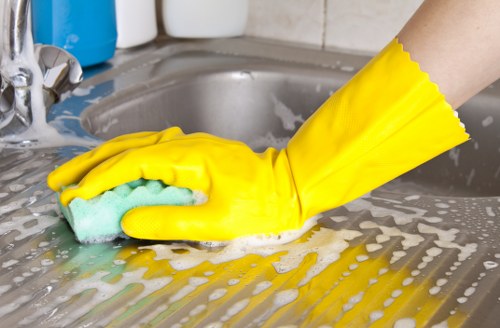
Productivity often improves when the workspace is organized and visually calm. Employees spend less time searching for documents, dealing with clutter, or being distracted by dirt and odors. A clean office helps people focus on what matters most: doing quality work. It also encourages a sense of professionalism that can improve collaboration and communication.
There is a psychological benefit as well. People often feel more in control and less anxious in tidy environments. That is one reason office cleaning can have a subtle but meaningful impact on workplace performance. It is not just about sanitation; it is about creating conditions where employees can think clearly and work comfortably.
Office Cleaning Services and What They Typically Include
Office cleaning services can vary depending on the provider and the needs of the business, but most plans include a combination of daily, weekly, and periodic tasks. The core of office cleaning usually focuses on maintaining cleanliness in all the spaces used by staff and visitors. Some businesses need lightweight maintenance, while others require more intensive cleaning because of size, traffic, or specialized operations.
Typical tasks may include emptying bins, vacuuming carpets, mopping hard floors, wiping desks and common surfaces, sanitizing restrooms, cleaning kitchens, and restocking supplies. More detailed office cleaning may also involve glass cleaning, upholstery care, deep carpet treatment, and floor polishing. The goal is to keep the workplace presentable and hygienic at all times.
Many companies prefer a customized schedule for office cleaning. For example, a law office may need quiet after-hours cleaning to avoid interrupting meetings, while a co-working space may need multiple daytime touch-ups because of constant movement. This flexibility is one reason professional office cleaning is so valuable.
Daily, Weekly, and Monthly Cleaning Tasks
- Daily: bins, restrooms, kitchen surfaces, high-touch points, floors, reception cleanup
- Weekly: deeper dusting, glass wiping, desk area attention, appliance cleaning, floor detailing
- Monthly: carpet treatment, upholstery care, vents, skirting boards, and harder-to-reach areas
When office cleaning tasks are broken into a regular schedule, the result is a consistently maintained environment rather than a reactive one. That approach is more efficient and helps protect the office from long-term buildup.
Creating an Effective Office Cleaning Routine
An effective office cleaning routine begins with understanding how the space is used. Offices with heavy foot traffic, frequent client visits, or shared equipment will need a different approach from smaller, quieter workspaces. The best office cleaning routines are practical, consistent, and designed around real usage patterns.
A cleaning checklist is often the easiest way to ensure nothing gets overlooked. It helps define which tasks are daily, weekly, and periodic. It also makes office cleaning more measurable because managers can review completed tasks and adjust schedules if needed. This is especially useful when multiple areas of the office require different levels of care.
Consistency is important. Even the most thorough office cleaning plan can lose value if it is done irregularly. Dust, grime, and clutter build quickly in busy workplaces, so steady maintenance is better than occasional intensive cleaning. A routine creates habits, protects workplace hygiene, and keeps standards high throughout the year.
Practical Steps for Better Cleaning Results

- Assess the office layout and identify high-traffic zones.
- Prioritize high-touch surfaces and shared spaces.
- Use a clear schedule for recurring office cleaning tasks.
- Choose the right products for different materials and surfaces.
- Review the cleaning plan regularly and update it as the office changes.
Office cleaning works best when it is proactive rather than reactive. Small daily actions can prevent bigger issues later, making the entire workplace more efficient and pleasant to use.
Choosing the Right Products and Tools for Office Cleaning
The quality of office cleaning depends not only on technique but also on the products and tools used. Different surfaces require different approaches. For instance, glass needs streak-free cleaning products, while electronic equipment needs safe, non-damaging methods. Floors, upholstery, restrooms, and kitchens each have their own cleaning requirements, and using the wrong product can cause damage or leave residue behind.
Microfiber cloths are popular in office cleaning because they trap dust effectively and help reduce streaking. HEPA-filter vacuums can improve dust control, especially in larger offices or spaces with carpets. Disinfectants should be selected carefully and used according to instructions to ensure both effectiveness and safety. Good office cleaning is thoughtful, not rushed.
It is also important to store cleaning supplies properly. Well-organized storage areas make office cleaning faster and safer, and they help prevent accidental spills or misuse. Labeling products, separating chemicals, and keeping supplies in a secure place all support a more professional cleaning process.
Why Equipment Quality Matters

Using quality tools can improve cleaning results and reduce wasted effort. Better mops, cloths, vacuums, and dispensers help cleaners work more efficiently while maintaining a higher standard. In office cleaning, the right equipment can make a visible difference in both appearance and hygiene.
For businesses that want reliable results, investing in proper tools or hiring trained professionals can be a smart decision. It helps ensure that office cleaning is done correctly and consistently, with attention to detail across all areas of the workplace.
Special Considerations for Different Types of Offices
Not all offices are the same, and office cleaning should reflect the specific needs of each environment. A creative studio may have open work areas, shared lounges, and display walls that require careful dusting. A medical office may need stricter sanitation standards, especially around waiting rooms and treatment areas. A financial firm may want discreet after-hours cleaning to preserve privacy and minimize disruption.
Open-plan offices often need more frequent office cleaning because many people share the same areas. In contrast, offices with private rooms may need targeted cleaning of personal spaces and common zones. The more flexible the layout, the more adaptable the office cleaning plan should be. Seasonal changes can also affect cleaning needs, especially when rain, snow, or pollen are tracked indoors.
Remote and hybrid work trends have changed office cleaning too. Since desks may not always be occupied by the same person, shared surfaces can accumulate dust and germs in new ways. Businesses now often need office cleaning services that can handle flexible seating arrangements, rotating teams, and multipurpose spaces efficiently.
Adapting Cleaning to Workplace Size
- Small offices: simple schedules, focused maintenance, and quick daily tasks
- Medium offices: zone-based office cleaning with shared area priorities
- Large offices: team coordination, after-hours service, and detailed checklists
Adapting office cleaning to the size and function of the workplace helps keep standards consistent without wasting time or resources. The most effective approach is always the one that fits the space.
Health, Hygiene, and Workplace Safety
Health and hygiene are among the strongest reasons to invest in office cleaning. Workplaces bring people together in close proximity, and that naturally increases the risk of germs spreading through shared surfaces and air. Clean restrooms, sanitized kitchens, and well-maintained common areas all reduce this risk and support a healthier workforce.
Office cleaning also contributes to workplace safety by reducing slip hazards, clutter, and dust buildup. Spills on floors can cause accidents if they are not addressed quickly. Loose papers, cables, and unnecessary items can create tripping hazards. A clean office is often a safer office because hazards are easier to spot and remove.
Hygiene standards can become especially important during cold and flu seasons or when there is a need to increase sanitation routines. In these situations, office cleaning can help maintain business continuity by supporting employee health and reducing avoidable absences. This is one reason many organizations now treat cleaning as a core operational priority rather than an optional expense.
Common Hygiene-Focused Office Cleaning Priorities
- Disinfecting shared desks and equipment
- Cleaning restroom fixtures and replenishing supplies
- Wiping kitchen counters, sinks, and appliance handles
- Vacuuming carpets and cleaning hard floors
- Emptying waste bins before overflow occurs
When these priorities are handled consistently, office cleaning helps create a workplace where employees feel more comfortable and visitors feel more welcome.
How Office Cleaning Supports Brand Image
Brand image is not built only through marketing campaigns and websites. It also lives in the physical spaces people experience. Office cleaning plays a major role in shaping that experience. A bright lobby, polished meeting room, and fresh-smelling workspace reinforce the idea that the company is organized, capable, and detail-oriented.
Clients are more likely to trust a business that takes care of its environment. Recruiters can also use office cleanliness as part of the candidate experience, since job seekers often notice the atmosphere during interviews or tours. Office cleaning therefore contributes to more than hygiene; it supports reputation, credibility, and long-term brand perception.
Even internal culture can be affected. Employees are more likely to take pride in their workplace when it is well maintained. That pride can influence how teams interact with clients and with one another. In that sense, office cleaning becomes part of the company’s identity and daily operations.
Simple Ways to Keep the Office Looking Professional
- Maintain clear desks and shared surfaces
- Keep entryways free of dirt and clutter
- Schedule regular glass and floor cleaning
- Ensure restrooms and kitchens are always presentable
- Respond quickly to spills, marks, and waste buildup
Professional office cleaning is one of the simplest ways to strengthen brand presentation without changing the office itself.
Professional Office Cleaning or In-House Cleaning?
Businesses often consider whether to manage office cleaning in-house or outsource it to professionals. Both options can work, but the best choice depends on the size of the office, budget, expectations, and the level of cleanliness required. In-house cleaning can offer direct control, while professional office cleaning provides specialized expertise, equipment, and consistency.
For many companies, outsourced office cleaning is appealing because it reduces the burden on internal staff. Cleaning professionals are trained to work efficiently and understand how to handle different materials, spaces, and sanitation requirements. They can also adjust to after-hours schedules and larger facilities more easily than a small internal team.
On the other hand, some organizations prefer a hybrid approach. They may assign basic tidying and desk organization to staff while using professional office cleaning for deep sanitation, floor care, and periodic detailing. This can be a practical way to maintain standards while managing costs.
Questions to Ask Before Deciding
- How large is the office and how often is it used?
- Are there shared areas that need frequent sanitation?
- Does the office require specialized equipment or products?
- Is after-hours cleaning needed to avoid disruptions?
- Would outsourcing improve consistency and save time?
There is no one-size-fits-all answer, but a thoughtful office cleaning strategy should always align with the way the business actually operates.
Making Office Cleaning a Long-Term Business Priority
Office cleaning should be seen as a long-term investment, not just a short-term fix. The benefits accumulate over time: cleaner air, better first impressions, healthier teams, and a more professional atmosphere. When a workplace is cleaned regularly and carefully, it tends to require less corrective maintenance and create fewer disruptions.
A strong cleaning culture also helps businesses remain adaptable. As teams grow, work patterns change, and office layouts evolve, office cleaning needs can shift as well. The most successful businesses review their routines periodically and make sure cleaning standards stay aligned with current needs. That flexibility keeps the workplace fresh, functional, and ready for growth.
If your organization wants to create a better work environment, office cleaning is one of the most effective places to start. It improves the space, supports the people in it, and reinforces a standard of quality that everyone can see. Contact us today to explore the right office cleaning approach for your workplace, or book your service now to keep your office looking its best all year round.