Domestic Cleaning in Modern Homes: Practical Tips, Benefits, and Smart Strategies
Domestic cleaning plays a central role in keeping homes comfortable, healthy, and presentable. Whether you live in a busy family house, a small apartment, or a shared property, maintaining a clean home affects how you feel every day. A tidy space can reduce stress, improve hygiene, and create a more welcoming environment for everyone who enters. For many households, domestic cleaning is not just about appearance; it is about creating order, protecting surfaces, and making home life easier to manage.
In today’s fast-paced world, people often struggle to find time for regular domestic cleaning. Work commitments, school runs, shopping, and family responsibilities can quickly fill the day. That is why many homeowners look for practical routines, effective methods, and professional support to stay on top of cleaning tasks. Domestic cleaning can be adapted to suit different lifestyles, budgets, and property sizes, making it one of the most valuable home services available.
This article explores what domestic cleaning involves, why it matters, how to organize it efficiently, and what to expect from a reliable service. You will also find helpful tips for maintaining a cleaner home between visits, choosing the right products, and keeping everyday chores under control. If you are looking to improve your household routine, domestic cleaning is a great place to start.
What Domestic Cleaning Means for Everyday Living
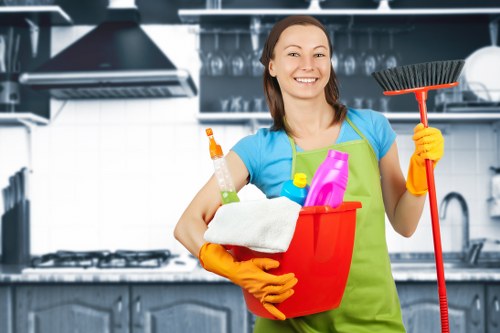
Domestic cleaning refers to the regular cleaning and maintenance of homes and living spaces. It typically includes tasks such as dusting, vacuuming, mopping, wiping surfaces, cleaning bathrooms, tidying kitchens, and removing household dirt. The exact scope may vary depending on the home, the number of occupants, and the client’s priorities.
Unlike specialized services such as carpet restoration or end-of-tenancy cleaning, domestic cleaning is usually focused on routine household upkeep. That means the goal is not only to make a property look good on the surface, but also to keep it sanitary and manageable over time. A consistent domestic cleaning routine prevents dirt from building up and reduces the need for heavy cleaning later.
For many homeowners, domestic cleaning is essential because it supports both comfort and hygiene. Clean floors, clear countertops, fresh bathrooms, and dust-free furniture contribute to a healthier indoor environment. It also helps preserve furniture, flooring, appliances, and fixtures by preventing grime and residue from causing long-term damage.
Why Domestic Cleaning Matters More Than Many People Realize
At first glance, domestic cleaning may seem like a simple household task, but it has a much bigger impact than people often notice. A clean home can influence mood, productivity, family routines, and even sleep quality. When clutter and dirt pile up, daily life can feel more chaotic. By contrast, a well-kept home tends to feel calmer and more organized.
Health and hygiene are among the most important reasons to prioritize domestic cleaning. Dust, allergens, mold, bacteria, and food residue can build up quickly in active households. Regular cleaning reduces these risks and helps maintain a safer environment for children, older adults, pets, and anyone with sensitivities.
Domestic cleaning also improves the appearance and value of a home. Guests are more likely to feel comfortable in a fresh, tidy space, and homeowners often enjoy their property more when it is clean and orderly. Even small tasks such as wiping skirting boards, polishing surfaces, and keeping sinks clear can make a noticeable difference.
Common Domestic Cleaning Tasks and What They Include
Domestic cleaning can be tailored to the needs of each household, but there are several common tasks most homes benefit from on a regular basis. These jobs keep the property functioning well and prevent everyday mess from becoming overwhelming.
Typical domestic cleaning tasks include:
- Dusting furniture, shelves, and decorative items
- Vacuuming carpets, rugs, and hard floors
- Mopping tiled, laminate, or vinyl flooring
- Cleaning kitchens, including counters, sinks, and appliance exteriors
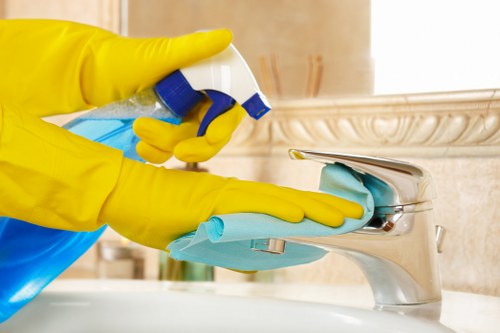
- Scrubbing bathrooms, toilets, showers, baths, and mirrors
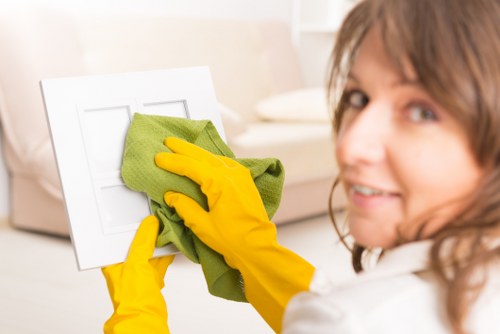
- Wiping light switches, handles, and frequently touched surfaces
- Emptying bins and replacing liners
- Spot-cleaning marks on walls or doors
- Cleaning skirting boards and window sills
- Making beds and tidying living areas
Some households also add laundry support, ironing, interior window cleaning, and fridge cleaning to their domestic cleaning schedule. The right checklist depends on your home and how much support you need. The more clearly tasks are defined, the easier it becomes to stay consistent.
How to Build an Effective Domestic Cleaning Routine
A strong domestic cleaning routine does not need to be complicated. In fact, simple routines are usually the easiest to maintain. The best approach is to divide tasks into daily, weekly, and monthly jobs so that the workload feels manageable throughout the week.
Daily tasks should focus on the areas that collect dirt quickly. These often include wiping kitchen surfaces, loading or emptying the dishwasher, making beds, sweeping high-traffic areas, and clearing clutter. A few minutes of attention each day can prevent bigger problems later.
Weekly domestic cleaning usually covers more detailed jobs such as vacuuming, mopping, dusting, bathroom cleaning, changing bedding, and cleaning mirrors. Monthly tasks may include deep-cleaning appliances, washing windows internally, checking behind furniture, and organizing storage spaces. This layered approach keeps the home consistently fresh without creating unnecessary pressure.
Useful scheduling ideas
If you prefer structure, you can assign each room a specific day or group tasks by activity. For example:
- Monday: kitchen reset and bin management
- Tuesday: bathroom cleaning
- Wednesday: dusting and surface cleaning
- Thursday: vacuuming and floor care
- Friday: bedroom and laundry tasks
- Weekend: catch-up and light tidying
This method keeps domestic cleaning from feeling endless. Consistency is more effective than occasional intense cleaning sessions.
Choosing the Right Products for Domestic Cleaning

The cleaning products you use can affect results, safety, and the overall experience of domestic cleaning. Some homes need stronger products for grease or limescale, while others benefit from gentle, eco-friendly solutions. Choosing well helps protect surfaces and ensures that cleaning is efficient rather than wasteful.
For general domestic cleaning, most households rely on a mix of all-purpose cleaner, glass cleaner, disinfectant, bathroom cleaner, floor solution, microfiber cloths, sponges, and a good vacuum. Microfiber cloths are especially useful because they trap dust effectively and reduce the need for harsh chemicals.
It is also wise to read product labels carefully. Different materials require different care, and using the wrong solution can damage wood, stone, upholstery, or delicate finishes. Always test new products on a small area first if you are unsure. When possible, choose products that suit your household’s needs, including fragrance-free or environmentally conscious options.
Domestic Cleaning in Busy Households
Busy homes often need a flexible approach to domestic cleaning. Families with children, shared accommodation, and households with pets usually face extra mess, more frequent spills, and higher traffic levels. That does not mean the home has to feel out of control. It simply means the cleaning plan should match the pace of life inside the property.
In active households, domestic cleaning works best when everyone contributes in some way. Children can help with tidying toys, putting clothes away, or wiping small surfaces. Adults can share larger tasks such as vacuuming, bathroom cleaning, and kitchen maintenance. When responsibilities are spread out, the burden becomes lighter for everyone.
Pets can also add to the need for domestic cleaning. Fur, muddy paw prints, odors, and spilled food are common issues. Regular vacuuming, washing pet bedding, and cleaning floors more often can make a noticeable difference. A few small adjustments to the routine can keep the home comfortable without requiring constant effort.
Simple habits that reduce cleaning pressure
Some of the best domestic cleaning results come from small habits rather than major cleaning sessions. Examples include:
- Taking shoes off at the door
- Wiping spills immediately
- Decluttering as you move from room to room
- Putting items back after use
- Running extractor fans in kitchens and bathrooms
- Opening windows for fresh air when possible
These habits reduce buildup and support a cleaner, healthier home over time.
Benefits of Professional Domestic Cleaning Services
Many people choose professional domestic cleaning because it saves time, reduces stress, and delivers consistent results. A trained cleaner can handle regular household tasks efficiently, allowing homeowners to focus on work, family, or personal time. This is especially valuable for people who have demanding schedules or find it difficult to keep up with physical chores.
Professional domestic cleaning also provides a high standard of care. Experienced cleaners understand how to tackle common household mess, how to clean different surfaces safely, and how to work methodically through a home. They often notice details that busy residents may overlook, such as dust on high shelves, grime around taps, or buildup in corners.
Another major advantage is flexibility. Domestic cleaning services can often be tailored to weekly, fortnightly, or occasional visits. Some households need help with a full clean, while others prefer support for specific rooms or tasks. This adaptability makes domestic cleaning a practical solution for many different lifestyles.
Why outsourcing can be a smart choice
Professional support may be especially useful if you:
- Have a busy schedule
- Struggle with mobility or physical strain
- Want more predictable cleaning results
- Need help maintaining a large property
- Prefer a cleaner home without sacrificing personal time
For many households, booking domestic cleaning is less about luxury and more about creating a sustainable routine.
How Domestic Cleaning Supports Health and Wellbeing
Domestic cleaning influences more than appearance. It can support mental clarity, reduce allergens, and create a more restful atmosphere at home. When spaces are clean and organized, people often feel more in control of their surroundings. That can lead to lower stress and a stronger sense of relaxation.
From a physical health standpoint, domestic cleaning removes dust, germs, and debris that can affect indoor air quality and general hygiene. Regular bathroom and kitchen cleaning is particularly important because these areas are prone to moisture, bacteria, and food residue. Keeping them clean lowers the chance of unpleasant odors and hygiene issues.
There is also a psychological benefit to domestic cleaning. A well-maintained home can encourage better habits in other areas of life, such as meal preparation, sleep routines, and organization. When your surroundings feel calm, daily life often feels easier to manage.
Areas where cleanliness matters most
Some zones in the home need extra attention because they are used frequently:
- Kitchen surfaces where food is prepared
- Bathrooms where moisture can encourage buildup
- Floors that collect dust, dirt, and outdoor debris
- Door handles and switches that are touched repeatedly
- Bedrooms where sleep quality can be affected by clutter and dust
Domestic Cleaning for Different Types of Homes
No two homes are exactly alike, and domestic cleaning should reflect that. A compact apartment may need a streamlined routine focused on speed and efficiency, while a larger family house may require a more detailed plan. Shared homes often need clear boundaries and shared expectations to keep cleaning fair and consistent.
For smaller homes, domestic cleaning can be completed quickly with the right tools and habits. A short routine that includes dusting, vacuuming, bathroom care, and kitchen wipe-downs may be enough to keep the property in good condition. In larger properties, cleaning often needs to be split into zones to prevent the workload from becoming too heavy.
Older homes may need extra care because of delicate surfaces, older fixtures, or more dust-prone corners. Modern homes may have open-plan layouts, more glass surfaces, and more smooth finishes that show fingerprints and marks easily. In each case, the best domestic cleaning plan is one that reflects the layout and needs of the property.
Adapting the routine to your space
Ask yourself a few practical questions:
- Which rooms are used most often?
- Where does dirt build up fastest?
- Which tasks are essential every week?
- What can be handled monthly instead of weekly?
By answering these questions, you can build a domestic cleaning routine that is realistic and effective.
Time-Saving Domestic Cleaning Tips for Homeowners
Many people believe domestic cleaning has to take hours, but that is not always true. With the right approach, you can save time and still maintain a neat home. The key is to clean strategically and avoid unnecessary repetition.
One of the most effective methods is to clean from top to bottom. This means dusting higher surfaces first so that debris falls onto floors before vacuuming or mopping. Another smart habit is to gather cleaning tools in a portable caddy so everything is in one place. This simple step reduces wasted time searching for sprays, cloths, or brushes.
It is also helpful to focus on the highest-impact areas first. Kitchens, bathrooms, hallways, and living rooms often make the biggest impression, so tackling those areas early can quickly improve the feel of the whole home. Small efficiencies add up across the week.
Helpful time-saving practices
- Use multi-surface products where appropriate
- Set a timer for 10 to 15-minute cleaning bursts
- Clean as you go during cooking and daily routines
- Keep one basket for items that need to be returned to other rooms
- Do one load of laundry at a time rather than letting it pile up
When to Consider Extra Help With Domestic Cleaning
There are times when domestic cleaning becomes difficult to manage alone. Major life changes, illness, demanding work periods, new babies, or moving house can all make regular cleaning more challenging. During these moments, extra support can be a practical solution rather than a sign of failure.
Some households also choose help because they want to spend more of their free time on family, rest, or hobbies. In these situations, domestic cleaning can be outsourced to create better balance. Hiring support for routine tasks does not remove responsibility from homeowners; instead, it allows them to manage their home in a way that fits their lifestyle.
If cleaning is becoming a constant source of stress, it may be time to reassess your current routine. A professional domestic cleaning plan can restore order and help you maintain standards without feeling overwhelmed. Book your service now if you want a cleaner home with less pressure on your schedule.
How to Choose a Reliable Domestic Cleaning Service
Selecting a domestic cleaning provider requires a little thought, but the effort is worthwhile. A reliable service should be consistent, respectful, and able to adapt to your home’s needs. It is important to look for clear communication, a sensible approach to scheduling, and a strong understanding of typical household cleaning tasks.
Before booking, think about what you need most. Do you want weekly support, occasional deep attention, or help with specific rooms? Are you looking for kitchen and bathroom cleaning only, or do you want a full-home routine? Having clear expectations makes it easier to find a suitable match.
It can also help to ask about what is included in standard domestic cleaning and what counts as an additional task. This prevents confusion and ensures the service is tailored to your priorities. Clarity upfront leads to better results later.
Things to look for in a service
- Flexible scheduling options
- Clear task lists and expectations
- Experience with domestic cleaning in homes similar to yours
- Attention to detail
- Respect for privacy and household routines
Making Domestic Cleaning Part of a Better Home Routine
Domestic cleaning works best when it becomes part of daily life rather than a stressful event. That means combining small habits, practical planning, and the right level of support for your situation. Whether you handle the work yourself or use a cleaning service, the goal is the same: a home that feels healthy, orderly, and easy to live in.
Many households find that once a cleaner routine is established, the entire home becomes easier to manage. There is less clutter, fewer last-minute chores, and more time to enjoy family or rest. Clean surroundings can make everyday activities more pleasant, from cooking dinner to relaxing in the evening.
If you have been thinking about improving your household routine, now is a good time to act. A better approach to domestic cleaning can reduce pressure, improve hygiene, and bring lasting comfort to your home. Contact us today to take the next step toward a fresher, easier-to-manage home environment.
Final thoughts
Domestic cleaning is more than a routine task. It is a foundation for healthier, calmer, and more functional living. With the right habits, products, and support, any household can stay cleaner and more organized. From daily touch-ups to scheduled cleaning visits, every effort contributes to a better home experience.
Whether you prefer to handle cleaning yourself or want the convenience of professional help, investing attention into domestic cleaning pays off in comfort, health, and peace of mind. Start with a simple plan, stay consistent, and build a system that works for your home.