Communal Area Cleaning: Creating Healthier, Safer, and More Welcoming Shared Spaces
Why Communal Area Cleaning Matters
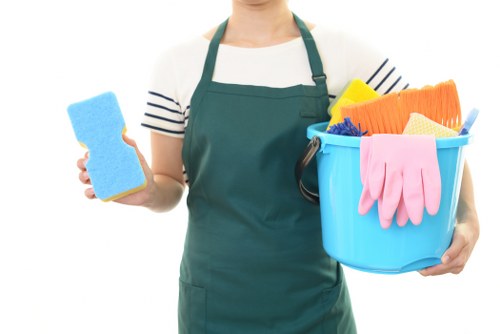
Communal area cleaning is one of the most important services for keeping shared environments comfortable, hygienic, and presentable. Whether it is an apartment block, office building, housing estate, school, or commercial complex, the condition of shared areas has a direct effect on how people feel about the space. A clean lobby, well-kept hallway, polished staircase, and sanitized touchpoints all contribute to a better daily experience.
In busy buildings, communal area cleaning is not just about appearance. It also helps reduce the spread of dirt, bacteria, and unpleasant odors, while protecting floors, fixtures, and surfaces from long-term wear. When these areas are cleaned regularly, residents, visitors, tenants, and staff can move through the space with more confidence and ease.
Another reason communal area cleaning is so valuable is that shared spaces often create first impressions. A neglected corridor or dusty entrance can make an entire property feel poorly managed. On the other hand, consistent cleaning tells people that the building is cared for, organized, and safe. This matters for residential, hospitality, and commercial settings alike.
What Communal Area Cleaning Includes
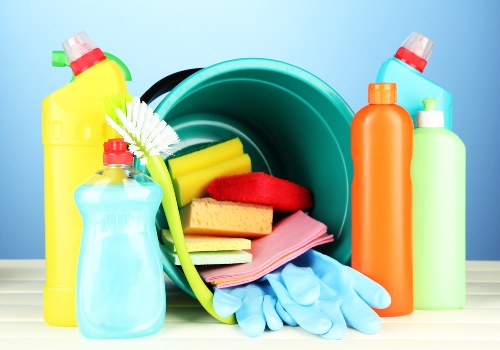
Communal area cleaning covers every shared part of a property that is used by multiple people. It is broader than standard domestic cleaning because it must account for higher foot traffic, more frequent contact with surfaces, and a wider mix of cleaning needs. The exact service may vary depending on the building, but it typically includes a combination of routine and detail-oriented tasks.
Common tasks in communal area cleaning include sweeping, vacuuming, mopping, dusting, sanitizing high-touch points, removing litter, spot-cleaning walls, and maintaining entrances. In some properties, the service may also include cleaning lift interiors, stairwells, railings, reception desks, mail areas, shared kitchens, bin rooms, and restroom facilities.
Because these areas are shared, they often require a cleaning approach that balances speed and thoroughness. A reliable team must work efficiently while still paying attention to details that affect hygiene and presentation. That is why professional communal area cleaning services are often preferred over occasional ad hoc cleaning.
Typical Areas Covered
- Entrances, foyers, and reception spaces
- Hallways, corridors, and staircases
- Elevator cabins and control panels
- Shared kitchens and break areas
- Rubbish and recycling zones
- Door handles, handrails, switches, and buttons
- External access points and immediate frontage
Benefits of Regular Communal Area Cleaning
Regular communal area cleaning brings practical benefits that go far beyond simple appearance. One of the biggest advantages is improved hygiene. Shared spaces are touched by many people each day, which means germs, dust, and debris can build up quickly. Routine cleaning helps lower this buildup and supports a healthier environment for everyone using the building.
Another major benefit is safety. Floors that are swept, mopped, and inspected regularly are less likely to become slippery or cluttered. Hallways kept clear of trash, spills, and obstacles reduce the risk of trips and falls. This is especially important in buildings with children, older adults, or people carrying bags, equipment, or deliveries.
There is also a visual and psychological benefit. A neat and fresh shared environment encourages people to respect the space. It can improve tenant satisfaction, staff morale, and visitor confidence. When communal spaces are consistently clean, the whole property feels more organized and more valuable.
Key Advantages at a Glance
- Improved hygiene and reduced contamination risk
- Better safety in high-traffic shared zones
- Enhanced appearance and stronger first impressions
- Longer lifespan for floors, carpets, and fixtures
- Higher satisfaction among residents, workers, and guests
Challenges in Communal Area Cleaning
Communal area cleaning can be challenging because shared spaces are used differently throughout the day. Morning rush periods, lunch breaks, evening returns, and weekend visitors all create fluctuating levels of dirt and traffic. A cleaning plan that works for one building may not be suitable for another, especially if the property has multiple entrances or a large number of occupants.
Another challenge is consistency. A communal area may look clean at one moment and become messy again soon afterward. That means cleaning schedules need to be realistic and responsive. High-touch points can become contaminated repeatedly, while floors may need attention more than once a day in busy properties. Professional cleaning teams often plan their work around peak usage times to minimize disruption.
Access can also complicate communal area cleaning. Some areas may require keys, codes, or coordination with building management. Others may have residents working from home or staff using shared facilities throughout the day. For this reason, flexibility and communication are essential parts of a successful cleaning arrangement.
Common Pain Points
- High foot traffic and constant re-soiling
- Different cleaning needs for different shared zones
- Time restrictions and access limitations
- Visible wear on carpets, paintwork, and fixtures
- Odors from waste rooms or food areas
Best Practices for Effective Communal Area Cleaning
Successful communal area cleaning depends on a clear plan, the right products, and regular monitoring. The aim is not just to make a space look tidy for a short period, but to maintain a consistent standard over time. That means creating routines that match the building’s usage patterns and the specific requirements of each area.
One of the best practices is zoning. Different parts of the property should be cleaned based on how often they are used. For example, entrances and elevator buttons may need daily attention, while storage areas might need a less frequent schedule. Zoning helps allocate time and effort where it is most needed, making the process more efficient and cost-effective.
It is also important to use the right methods for each surface. Carpets, glass, stainless steel, tiles, and painted walls all require different techniques and products. Using the wrong cleaner can cause streaking, damage, or premature wear. Professional communal area cleaning should always protect the building while improving its appearance.
Recommended Cleaning Routine
- Inspect the area before starting work
- Remove visible litter and debris
- Dust and wipe high-touch surfaces
- Vacuum, sweep, or mop floors as needed
- Sanitize shared contact points
- Check for odors, spills, and stains
- Record issues that need follow-up maintenance
Tools and Products Used in Communal Area Cleaning
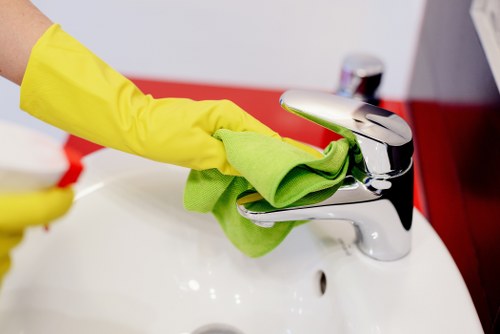
The quality of communal area cleaning often depends on the tools used. Basic equipment may be enough for very small areas, but larger or busier properties usually benefit from professional-grade tools. These can improve efficiency, produce better results, and reduce the physical strain on the cleaning team.
Common equipment includes vacuum cleaners with HEPA filtration, microfiber cloths, mops, neutral floor cleaners, disinfectants, glass cleaners, dusters, scrubbers, and waste collection supplies. In some cases, steam cleaning or machine scrubbing may be used for deeper cleaning of hard floors or heavily used surfaces.
Product selection also matters for safety and sustainability. Many properties now prefer cleaning solutions that are effective but low in harsh chemicals. This helps support healthier indoor air quality and can be better for people with sensitivities. Choosing environmentally responsible products can also align communal area cleaning with broader building management goals.
Helpful Equipment List
- Microfiber mops and cloths
- Disinfectant wipes or sprays for touchpoints
- Vacuum cleaners with strong filtration
- Floor scrubbers for larger hard-surface areas
- Window and glass cleaning tools
- Waste bags, liners, and recycling bins
- Protective gloves and safety signage
Communal Area Cleaning for Different Property Types
Communal area cleaning is not one-size-fits-all. The needs of a residential block differ from those of an office building or mixed-use development. Understanding these differences helps property managers choose the right schedule and level of service for each environment.
In residential buildings, the focus is usually on maintaining hallways, stairwells, entry points, and lift areas so that residents feel comfortable and safe. In offices, the priority may shift toward reception spaces, break rooms, restrooms, and internal corridors. Schools, healthcare sites, and hospitality spaces often require even higher hygiene standards due to their constant foot traffic and sensitivity to cleanliness.
Each setting also has different expectations. Residents may care most about tidiness and odor control, while office managers may be more concerned with professionalism and presentation. Effective communal area cleaning adapts to those expectations without losing consistency.
Examples by Property Type
- Residential buildings: stairs, lifts, entrances, bin stores, and shared lobbies
- Office buildings: reception, corridors, pantries, and washrooms
- Mixed-use properties: a combination of residential and commercial shared areas
- Educational sites: corridors, waiting spaces, and high-touch communal points
- Retail or hospitality sites: customer-facing shared zones and access routes
The Role of Hygiene and Sanitation
Hygiene is a central part of communal area cleaning, especially in spaces where many people touch the same surfaces every day. Door handles, elevator buttons, handrails, intercoms, light switches, and shared tables can all become hotspots for contamination. Routine sanitizing of these points helps reduce the spread of bacteria and creates a more reassuring environment.
Sanitation should be approached strategically rather than randomly. Some surfaces need wiping several times a day, while others can be included in regular scheduled cleaning. The key is to identify what is touched most often and what carries the greatest hygiene risk. This kind of prioritization improves results without wasting time or supplies.
Good hygiene practices also support odor control. Waste areas, kitchens, and restrooms can quickly affect the atmosphere of an entire building if not maintained properly. Fresh, clean communal areas feel more welcoming and are more likely to be treated with care by the people who use them.
High-Touch Surfaces to Prioritize
- Handrails and banisters
- Door handles and push plates
- Lift buttons and panels
- Intercoms and access control systems
- Shared desks and counters
- Switches and appliance handles
How Scheduling Improves Communal Area Cleaning Results
Scheduling is one of the most important parts of successful communal area cleaning. Without a well-planned routine, cleaning can become reactive, inconsistent, or ineffective. A structured schedule makes sure essential areas are cleaned at the right intervals and that no high-traffic zone is overlooked.
The best cleaning schedules are based on usage patterns. Busy entrances may need daily attention, while less frequently used spaces can be cleaned weekly or at set intervals. Some properties benefit from morning cleaning, while others are better served by evening or overnight service. Timing matters because it can reduce disruption and allow cleaning tasks to be completed more thoroughly.
A good schedule should also allow for seasonal changes. Wet weather can bring extra mud and moisture into shared spaces, while holiday periods may increase visitor traffic. By adjusting the plan to suit demand, building managers can keep communal spaces looking their best throughout the year. Flexible scheduling is often the difference between average and excellent communal area cleaning.
Factors That Influence Frequency
- Number of residents, employees, or visitors
- Type of shared space and traffic flow
- Presence of food preparation or waste areas
- Seasonal weather conditions
- Special events or peak usage periods
Professional vs. In-House Communal Area Cleaning
Some properties manage communal area cleaning internally, while others outsource it to professional providers. Both options can work, but the best choice depends on the size of the site, the budget available, and the standard of cleanliness required.
In-house cleaning may offer direct control and familiarity with the property. However, it can also create inconsistency if staff are stretched thin or lack specialized equipment. Professional cleaners, on the other hand, bring trained processes, reliable scheduling, and access to better tools and products. They are often better equipped to handle larger buildings or properties with more complex needs.
For many building managers, outsourcing provides peace of mind. It allows them to focus on other responsibilities while knowing the shared spaces are being maintained properly. Professional communal area cleaning can also be scaled up or down depending on occupancy and seasonal demand.
Comparison Overview
- In-house: more direct control, but may lack consistency and specialist tools
- Professional: trained staff, structured routines, and better adaptability
- Hybrid: internal oversight with outsourced cleaning for demanding areas
Why Communal Area Cleaning Supports Property Value
Well-maintained shared spaces can influence how people perceive an entire building. Clean communal areas suggest that the property is managed responsibly and that the owners or managers care about the experience of the people using it. This perception can be important for retention, leasing, and long-term reputation.
Maintenance and cleaning are closely connected. If dust, dirt, and spills are ignored, they can lead to staining, surface damage, and premature wear. Over time, that can increase repair and replacement costs. Regular communal area cleaning helps preserve finishes, protect flooring, and reduce the need for expensive restorative work.
In competitive property markets, presentation matters. A tidy lobby or clean corridor may seem like a small detail, but it can influence whether someone views a building as well run or neglected. That is why communal area cleaning should be seen as an investment, not just an operating expense.
Choosing the Right Communal Area Cleaning Approach
To choose the right approach, start by assessing the building’s needs. Consider traffic volume, the number of shared zones, the types of surfaces involved, and the standards expected by occupants. From there, create a plan that balances regular cleaning with periodic deep cleaning where necessary.
It is also wise to review performance regularly. Are the floors staying clean long enough? Are high-touch areas being sanitized often enough? Are odors, dust, or litter still a problem? These questions help fine-tune the approach and improve results over time.
Strong communication between property managers, cleaning teams, and occupants also helps. When everyone understands the cleaning schedule and expectations, the service is easier to maintain. Clear planning, consistent execution, and ongoing review are the foundations of effective communal area cleaning.
Practical Selection Checklist
- Assess the size and type of shared areas
- Identify high-traffic and high-touch zones
- Set cleaning frequencies for each area
- Choose suitable equipment and products
- Monitor quality and adjust as needed
Final Thoughts on Communal Area Cleaning
Communal area cleaning plays a vital role in keeping shared properties hygienic, safe, attractive, and comfortable. It supports better daily experiences for residents, employees, and visitors while protecting the condition of the building itself. From entryways and corridors to stairwells and waste rooms, every shared space benefits from a thoughtful and consistent cleaning strategy.
When done well, communal area cleaning improves more than appearance. It strengthens trust in the property, supports health and safety, and helps preserve long-term value. Whether managed in-house or by a professional team, the service should be tailored to the building’s needs and maintained with care.
If your property could benefit from a cleaner, fresher, and more organized shared environment, contact us today to discuss your communal area cleaning needs. Book your service now and keep your communal spaces looking their best all year round.