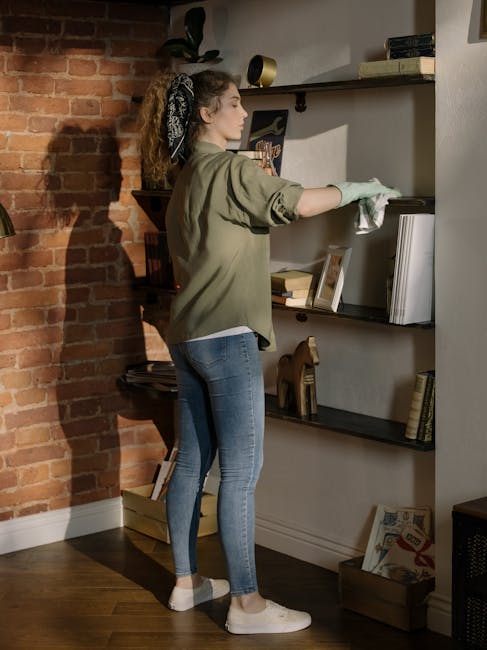
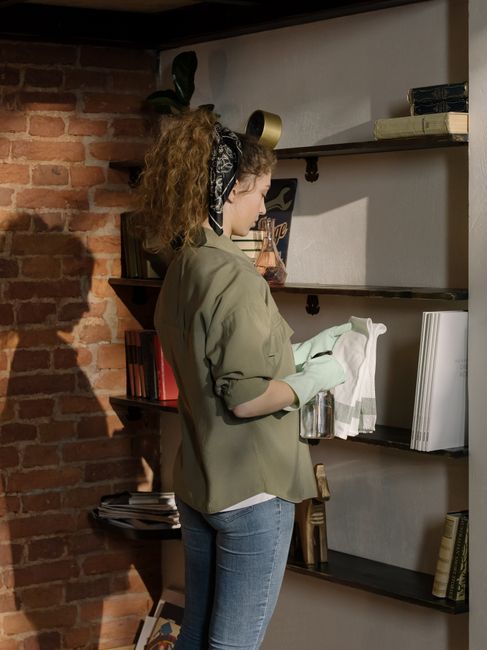
Castelnau Barnes period home cleaning guide for SW13 households
Period homes in Castelnau and Barnes have a charm you simply do not get from newer builds. The high ceilings, original fireplaces, sash windows, worn brass fittings and timber floors all tell a story. They also collect dust in the awkward places, show water marks more easily, and ask for a gentler cleaning approach than a modern flat would. This Castelnau Barnes period home cleaning guide for SW13 households is designed to help you protect those details while keeping the house feeling fresh, comfortable and genuinely cared for.
Whether you live in a Victorian terrace near the river, a converted townhouse, or a stucco-fronted home that has seen a few decades of family life, the job is less about brute force and more about method. Let's face it, a period property can look spotless in one room and still be hiding grime in cornices, behind radiators, or in the pile of an old rug. The good news? With the right routine, tools and expectations, it becomes much easier to stay on top of everything without damaging the character you moved in for.
Expert summary: the best period-home cleaning plan is gentle, regular, and detail-led. Focus on preservation first, appearance second, and deep cleaning only where the fabric of the home can handle it.
Table of Contents
- Why period home cleaning matters in SW13
- How a sensible cleaning approach works
- Key benefits and practical advantages
- Who this guide is for
- Step-by-step guidance
- Expert tips for better results
- Common mistakes to avoid
- Tools, resources and recommendations
- Law, compliance, standards and best practice
- Options and method comparison
- Case study or real-world example
- Practical checklist
- Conclusion
- Frequently asked questions
Why Castelnau Barnes period home cleaning guide for SW13 households Matters
Period homes in SW13 are often built with materials that respond badly to rushed cleaning. Lime plaster, aged paintwork, untreated or lightly sealed wood, older tiles, delicate glazing and decorative plaster mouldings all need a lighter hand. If you scrub too hard, use a harsh chemical, or flood a surface with water, the damage may not appear immediately. A dull patch here, a lifted finish there, a little swelling in timber later on. That is the annoying bit. Cleaning mistakes in a period home are sometimes quiet.
There is also the simple matter of time. Older properties tend to have more nooks, more trim, more awkward edges and more surfaces that catch dust. A modern open-plan home might let you blitz through rooms quickly; a Barnes period property often asks for a slower, more thoughtful rhythm. You notice it when you wipe a dado rail and the cloth turns grey after one pass. Or when sunlight comes through the sash window at 4pm and shows every last speck. Charming, yes. Convenient, not always.
For SW13 households, cleaning matters for more than appearance. It helps preserve property value, protects original features, reduces allergen build-up, and keeps shared living spaces more pleasant. In older homes, dust and moisture can linger where ventilation is weaker or where rooms are used differently across the seasons. A smart routine avoids the cycle of leaving everything too long, then doing a huge clean that leaves everyone tired and the house half-damaged.
If your home is used by children, pets, guests, or housemates, the stakes are a bit higher again. Spilled drink on an antique floorboard, muddy paws on a hallway runner, or condensation around a window frame can all become recurring problems if no one is paying attention. So yes, this topic is practical. Very practical.
How Castelnau Barnes period home cleaning guide for SW13 households Works
The idea is straightforward: clean in layers, not all at once. Start with dry removal, move to gentle surface cleaning, then tackle targeted deep-clean tasks only where they are safe and needed. That order matters. If you wet-clean a dusty surface first, you often just make a muddy smear. Not glamorous.
Think of a period home as a mix of materials with different tolerances. Paintwork might be robust enough for a lightly damp cloth, but a stained skirting board, waxed table, natural fibre rug or old plaster detail may need something entirely different. A one-size-fits-all approach usually creates the very problem you were trying to solve.
A proper cleaning method usually involves these stages:
- Inspect the room first. Look for flaking paint, loose plaster, cracked sealant, stained textiles, water marks and evidence of condensation.
- Remove dust dry. Use a soft microfiber cloth, a vacuum with a brush attachment, or a gentle duster for cornices, skirting, vents and ledges.
- Clean from high to low. Start with ceiling edges and shelves, then move to furniture, then floors.
- Use the mildest effective product. If a plain damp cloth works, that is usually better than a stronger cleaner.
- Dry properly. Timber, original joinery and heritage finishes do not like lingering moisture.
- Spot test before full use. One hidden corner can save a lot of regret.
This is also where professional support can make life easier. A thorough deep cleaning service is often the right choice when a period home has built-up grime, preparing for a special occasion, or needs a reset after a long winter. For many households, a tailored mix of domestic cleaning and scheduled regular cleaning gives the best balance of care and consistency.
Key Benefits and Practical Advantages
The biggest benefit is preservation. A well-cleaned period home tends to age more gracefully. That is not a dramatic claim, just common sense. Dust, grease and moisture accelerate wear, especially around kitchens, hallways, bathrooms and the windows that get used every day.
There are also some less obvious advantages:
- Better indoor comfort. Less dust on surfaces means less dust in the room, which many families appreciate, especially in older properties with carpeted stairs or fabric-heavy interiors.
- Lower risk of damage. Gentle upkeep reduces the temptation to use harsh fixes later.
- Improved appearance without over-restoring. You keep the lived-in warmth of the house without it drifting into tired-looking territory.
- Less stress before guests or inspections. A home that is kept under control is easier to prepare for visitors, landlords, agents or family events.
- Longer life for finishes and furnishings. Carpets, upholstery and rugs often benefit from careful maintenance rather than occasional panic-cleaning.
In practical terms, this can also mean fewer emergency jobs. For example, if your hallway runner gets regular attention, you may not need a heavy intervention later. If your sash window frames are wiped and dried properly, you are less likely to see grime building in the joints. Small habits, big difference. That sort of thing.
And if your home has several fabric surfaces, you might find it helpful to combine routine upkeep with more specialised services such as carpet cleaning, upholstery cleaning or window cleaning when the season changes and the house needs a proper reset.
Who This Is For and When It Makes Sense
This guide is for anyone living in a period property in Castelnau, Barnes, or the wider SW13 area who wants to protect the home while keeping it comfortable. That includes owners, tenants, families, downsizers, and busy professionals who may love the look of the property but not the constant dusting. Fair enough too.
It makes sense if you are:
- moving into a period home and want to start with good habits
- moving out and need the property tidy, fresh and presentable
- trying to maintain original features without causing wear
- managing a family home with pets, children, or frequent visitors
- preparing for an event, sale, rental handover, or seasonal deep clean
- dealing with neglected rooms, especially spare rooms, loft rooms, or lower-ground spaces
It also makes sense if you have already noticed the usual pressure points: black marks on skirting near the hallway, dust on picture rails, greasy kitchen touchpoints, or condensation around window panes in colder months. These are the areas where period homes quietly announce that they need more than a quick once-over.
If you are in between moves, a period home may need something more structured than a standard tidy. In those cases, a move-in cleaning or move-out cleaning approach can help you deal with hidden dirt, cupboards, carpets and difficult corners before the next chapter begins.
Step-by-Step Guidance
Here is a practical cleaning order that works well in older homes. It is not fancy, but it holds up.
1. Open up the house and inspect the problem areas
Start by letting fresh air in where possible. In a period home, a room can hold onto a stale feel after a few days of closed windows, especially in winter. Then walk the space slowly. Look at window sills, fireplace surrounds, cornices, stair rails, cabinet handles, light switches and door frames. These are the details that collect fingerprints and dust first.
2. Dust before you wipe
Use a soft cloth or vacuum brush attachment on any surface that can tolerate it. This prevents the classic mistake of pushing dust around with a wet cloth and making a paste of it. Cornices, picture rails, bookshelves and the tops of wardrobes are often the sneakiest spots. A chair and a torch may be all you need to spot them. Slightly old-school, but it works.
3. Tackle kitchens and bathrooms carefully
These rooms ask for the most attention, but also the most restraint. In kitchens, remove grease from splash zones, cabinet handles and extractor areas using a suitable mild product. In bathrooms, focus on limescale, mould-prone corners and taps, but do not soak woodwork or old sealant. If a bathroom has original tiles or older fittings, aggressive scrubbing can make them look worse, not better.
4. Protect timber and heritage finishes
For floors, doors, panelling and skirting, use as little liquid as possible. Wring cloths out well. Dry the surface after cleaning. With waxed or oiled wood, it is sensible to avoid strong detergents unless you know the finish can handle them. If you are unsure, test a hidden area first. It sounds obvious, and yet people skip it all the time.
5. Refresh textiles and soft furnishings
Period homes often rely on rugs, curtains and upholstered pieces to soften the space. These materials gather dust and odour faster than hard surfaces do. Vacuum them slowly, use the correct attachment, and deal with stains as soon as possible. For larger items or long-standing marks, specialist help can be worth it. The same is true for old rugs that have become a bit flat and tired under regular foot traffic. A targeted rug cleaning treatment can make a surprising difference.
6. Finish with floors and touchpoints
Only after dust and grime have been removed should you clean floors. Hallways and stairs usually need the most attention because they collect grit from outside and see the most movement. Then go back for touchpoints: handles, switches, rails and visible marks. It is the last 10% that makes the house feel actually clean.
Expert Tips for Better Results
If there is one thing that separates good period-home cleaning from frustrating cleaning, it is judgement. You are not trying to make every surface sterile or glossy. You are trying to keep the house healthy, tidy and intact.
- Use minimal water on older wood. Excess moisture is one of the fastest ways to create swelling and dullness.
- Work top-down and left-to-right. This keeps you from missing areas and helps you stay organised when the house has multiple rooms and levels.
- Choose microfibre over rough cloths. A rougher cloth can catch on fragile paint or delicate finishes.
- Keep a separate cloth for bathrooms and kitchens. It sounds basic, but cross-contamination is avoidable with a simple system.
- Schedule the jobs by room use, not room size. A small but busy cloakroom may need attention more often than a spare bedroom.
- Notice smells as well as stains. Musty corners, stale fabric, or trapped cooking odours often point to areas that need more than a surface wipe.
One useful habit: keep a little "maintenance kit" in a cupboard. Cloths, a soft brush, a neutral cleaner, a vacuum attachment and some gloves. No grand setup, just enough to avoid the excuse of "I'll do it later." We all know how that goes.
If the cleaning job is becoming a bit much, a focused one-off cleaning appointment can be a sensible reset, especially after renovation dust, a long rental period or a particularly hectic season. And if builders have just left the place in a state, after builders cleaning is the right kind of heavy-lift support.
Common Mistakes to Avoid
Most period-home damage from cleaning comes from reasonable intentions applied too aggressively. That is the annoying truth. People want a clean result fast, so they reach for a stronger product, a stiffer brush or a bucket of water. The marks often stay.
- Using bleach on everything. It can discolour surfaces and is often unnecessary.
- Scrubbing original paintwork. You may remove the grime, and some of the finish with it.
- Soaking timber floors or skirting. Old wood does not forgive that easily.
- Ignoring ventilation. Damp rooms can stay damp for a long time, and period homes already have their quirks.
- Cleaning from the bottom up. This just moves dirt around.
- Overlooking fabrics. Rugs, sofas and mattresses quietly hold onto a lot more than people expect.
There is another mistake too: trying to preserve absolutely everything without ever cleaning properly. A home can become so precious that it stops being comfortable. That is not the goal. You want balance, not museum conditions.
For soft furnishings that are used every day, a combination of routine vacuuming and specialist care can help. A sofa cleaning or mattress cleaning service can be a smart move when fabrics are starting to trap dust, sweat marks, pet hair or odours.
Tools, Resources and Recommendations
You do not need a trolley full of gadgets. In fact, too many products can make the process slower and more confusing. Keep it simple.
| Tool or item | Best use | Why it helps in period homes |
|---|---|---|
| Microfibre cloths | Dusting and light wiping | Gentle on delicate paintwork and mouldings |
| Vacuum with brush attachment | Skirting, upholstery, stairs, corners | Removes dust without harsh contact |
| Mild neutral cleaner | General surfaces | Less likely to damage older finishes |
| Soft toothbrush or detailing brush | Grooves, hinges, frames | Reaches tight areas without heavy abrasion |
| Dry towels | Final drying | Helps prevent moisture sitting on timber or plaster |
| Gloves | Bathroom and kitchen work | Keeps the job comfortable and protects skin |
For households that prefer to outsource the bigger jobs, it helps to choose a provider with clear service information, transparent pricing and sensible safety practices. You may want to look at pricing and quotes before booking so you know what is included, and if security matters to you, the site's payment and security page and insurance and safety information are useful places to check.
For households that prefer quieter, lower-impact routines, the recycling and sustainability page can also help you think through product use and waste reduction in a practical way. Not everything has to be disposable, and not every clean needs to produce a bin bag full of stuff.
Law, Compliance, Standards, or Best Practice
Period home cleaning does not usually involve complicated legal compliance for a household, but it does sit within a wider best-practice context. In the UK, common-sense safety, product use, and responsible handling of surfaces matter a great deal, especially if you hire someone to work in your property.
For homeowners and tenants, the main things to keep in mind are:
- Use products as directed. Strong chemicals can damage surfaces and may create unnecessary risk if mixed or overused.
- Ventilate rooms where possible. This is especially sensible in bathrooms, kitchens and freshly cleaned enclosed spaces.
- Be careful with fragile finishes. If a surface is old, painted, waxed or sealed in an unknown way, caution is better than guesswork.
- Choose insured, clear and reputable services. If a contractor is in your home, you want to know they operate responsibly.
- Respect building rules in shared properties. If you live in a conversion or flat with communal access, timing and noise may matter.
For some households, especially those in shared buildings or managed properties, communal area cleaning is part of the bigger picture. The hallway outside your front door may affect how the whole home feels. Likewise, if the property is also used as a rental, end of tenancy cleaning can help meet expected standards when the time comes.
The short version? Keep cleaning methods proportionate, safe and documented when needed. If something looks fragile, treat it like it is fragile. Because it probably is.
Options, Methods, or Comparison Table
Not every household needs the same level of support. Some families want a weekly refresh. Others need a proper deep clean a few times a year. Here is a simple comparison to help you choose the right approach.
| Approach | Best for | Strengths | Limitations |
|---|---|---|---|
| DIY maintenance cleaning | Busy homes that stay fairly tidy | Low cost, flexible, easy to maintain | Time-consuming; easy to miss hidden buildup |
| Regular domestic cleaning | Households wanting consistency | Prevents grime from settling; good for touchpoints and routines | May not be enough for neglected or seasonal buildup |
| One-off deep reset | Before events, after a gap, or after a move | Targets neglected areas and restores order | Needs follow-up to keep results |
| Specialist service for fabrics and glass | Homes with carpets, rugs, upholstery or tall windows | Better results on specific materials | Not a complete whole-house solution |
For many SW13 homes, the most effective setup is a hybrid one. Keep on top of surfaces yourself, use a regular cleaner for the weekly rhythm, and book specialist help for specific materials or larger seasonal jobs. That way, the house never gets to the slightly alarming stage where you are cleaning with one eye on the clock and the other on the skirting board.
Case Study or Real-World Example
A typical Castelnau household might have a ground-floor hallway with original timber, a front reception room with tall windows, and a kitchen that gets used hard from Monday morning to Sunday evening. It sounds lovely, and it is, but it also means dust, footprints and cooking residue build up in different ways across the home.
Picture a family returning from a wet January walk. Coats go on hooks, shoes leave a damp line on the hallway floor, and within a few days the lower woodwork starts to look tired. The reception room is fine on the surface, but the window ledges hold a surprising amount of dust. The kitchen extractor has a faint grease film, and the sofa arm where everyone sits has picked up a bit of everyday wear. Nothing dramatic. Just life.
In a case like that, the best result usually comes from splitting the work into manageable parts:
- hallway dust and floor care twice a week
- window frame and ledge cleaning every week or two
- kitchen touchpoint cleaning after heavy use
- fabric vacuuming on the sofa and rugs as part of the normal routine
- a deeper clean every few months to reset the whole space
That approach keeps the property feeling calm instead of constantly needing rescue. And honestly, that calm matters. A well-kept room changes how you use it. You sit down more easily, you open the curtains without wincing, and the house just breathes a little better.
Practical Checklist
Use this checklist when you want to clean a period home in a way that respects the property:
- Inspect surfaces for damage before you start
- Open windows for airflow where safe and practical
- Dust high ledges, rails and shelves first
- Vacuum corners, edges and under furniture
- Use mild products before stronger ones
- Keep water use low on timber and old paintwork
- Dry all damp surfaces promptly
- Clean kitchens and bathrooms with extra care
- Vacuum rugs, sofas and mattresses regularly
- Test unknown finishes in a hidden spot
- Check window frames, sills and seals for moisture issues
- Leave time for the final touchpoints: handles, switches and rails
Quick reminder: if a room looks clean but still feels heavy, it is often because the dust has settled into places you do not notice from the doorway. That is why a careful second look matters.
If you need a broader household reset rather than a routine tidy, you can compare house cleaning support with more specific add-ons such as oven cleaning for kitchens that need a proper overhaul.
Conclusion
A period home in Castelnau or Barnes is rewarding to live in, but it asks for thoughtful care. The best cleaning plan is not the harshest one or the most complicated one. It is the one that protects original features, keeps dust under control, and fits realistically into family life in SW13.
Start small. Work gently. Pay attention to the surfaces that age first: wood, fabric, glass, paint and the little corners that quietly collect everything. If you keep up with those, the rest becomes much easier. And if a deeper reset is needed, that does not mean you have failed. It just means the house has been lived in, which is rather the point.
For many households, the real win is not a perfect showroom finish. It is walking into the hall on a damp evening and feeling the house is looked after, calm and ready for ordinary life again. That counts for a lot.
Get a free quote today and see how much you can save.
Frequently Asked Questions
What makes period home cleaning different from cleaning a modern house?
Period homes often have older materials, more decorative detail and more delicate finishes. That means you need gentler products, less water and more attention to dust, edges and hidden buildup.
How often should a Castelnau or Barnes period home be deep cleaned?
There is no single rule, but many households benefit from a deeper clean a few times a year, with regular maintenance in between. If the home is busy, dusty or used by guests often, you may need it more frequently.
Are strong chemical cleaners a bad idea for older properties?
Not always, but they are often unnecessary and can be risky on fragile finishes. Mild products are usually a safer first choice. If you are unsure, test a hidden area first.
What areas of a period home get dirty fastest?
Hallways, stairs, kitchen touchpoints, window ledges, skirting boards and soft furnishings usually collect dust and marks first. These are the places that tend to make the whole house feel untidy.
Can I clean original wooden floors with water?
Yes, but carefully. Use a lightly damp cloth or mop rather than soaking the surface. Dry it afterwards. Too much moisture is one of the fastest ways to damage older timber.
Is it worth booking professional cleaning for a period home?
It often is, especially if the house has delicate finishes, carpets, rugs, upholstery or hard-to-reach areas. Professional help can save time and reduce the risk of accidental damage.
What should I do about mould or damp patches in an older property?
Clean the visible area carefully, improve ventilation where possible and keep an eye on recurrence. If damp keeps returning, it may point to a deeper building issue rather than a cleaning problem alone.
How do I protect paintwork and plaster while cleaning?
Use soft cloths, avoid abrasive pads, and do not scrub aggressively. With older paint or decorative plaster, gentle dusting is often better than repeated wet cleaning.
Do rugs and upholstery need specialist cleaning in period homes?
Often, yes. Natural fibres and older fabrics can hold dust and odours in ways hard surfaces do not. Specialist treatment is useful when regular vacuuming no longer gives a fresh result.
What is the best first step if my period home has not been cleaned properly for a while?
Start with a full inspection and a room-by-room reset. Focus on dust removal, kitchens, bathrooms, floors and soft furnishings. If the task feels too large, a one-off deep clean can be a sensible way back to normal.
How do I know whether I need regular cleaning or a one-off clean?
If your home needs ongoing maintenance to stay manageable, regular cleaning is usually better. If the property has become built up with dust, grease or neglected corners, a one-off clean is often the better starting point.
Can I combine domestic cleaning with specialist services?
Absolutely. Many households do best with a routine domestic clean and occasional specialist support for carpets, windows, ovens, sofas or mattresses. That combination keeps the property looking cared for without overdoing it.