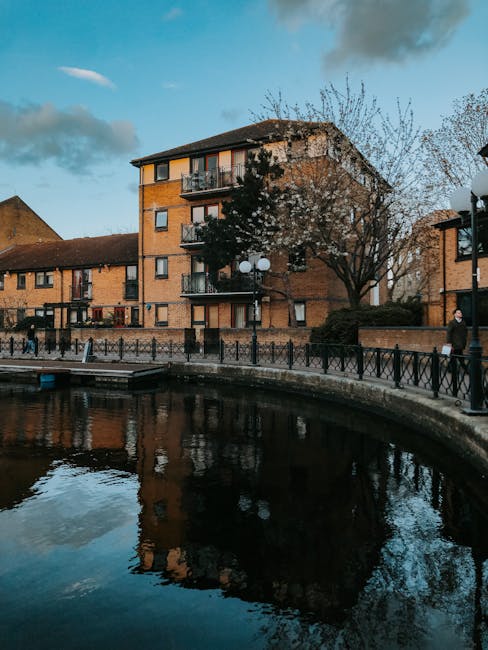
Barnes Common and Pond hard surface cleaning and care
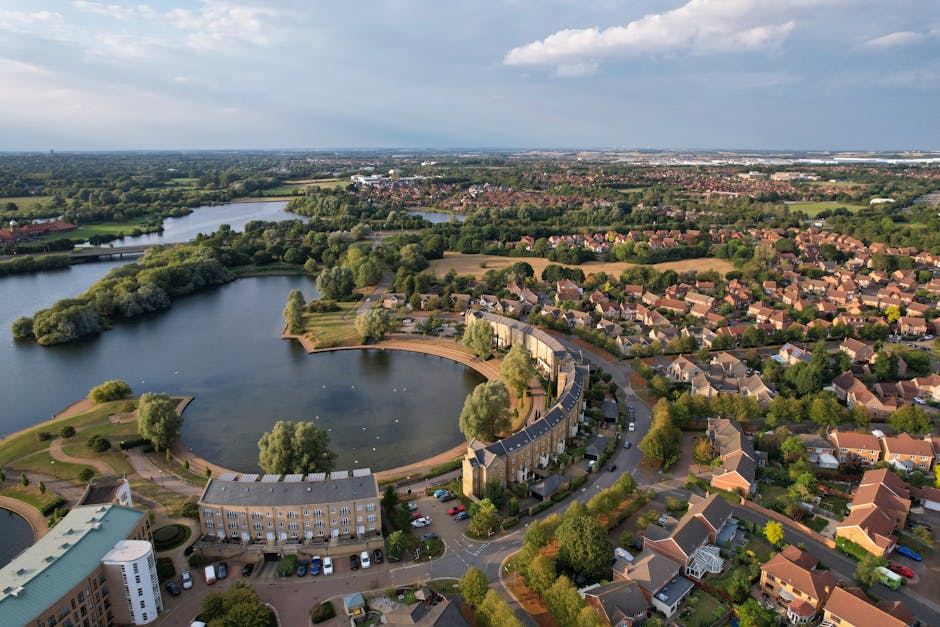
If you live near Barnes Common or spend time around the pond, you already know how quickly outdoor hard surfaces can go from tidy to tired-looking. Damp leaves, light algae, foot traffic, pollen, bird mess, and the usual London grime all build up in their own unhelpful little way. Barnes Common and Pond hard surface cleaning and care is really about keeping paths, steps, edging, seating areas, and other solid surfaces clean, safe, and attractive without damaging the finish underneath.
Done well, it is not just a cosmetic job. It helps reduce slip risk, slows staining, protects stone, concrete, brick, and paving, and makes the whole area feel looked after. In this guide, we will break down how it works, what to avoid, and how to choose the right approach for different surfaces. Nothing fancy. Just practical, local, real-world advice.
Quick note: the best results usually come from a measured clean, not a heroic blast with the strongest equipment available. That sounds obvious, but people still do it all the time.
Table of Contents
- Why Barnes Common and Pond hard surface cleaning and care matters
- How Barnes Common and Pond hard surface cleaning and care works
- Key benefits and practical advantages
- Who this is for and when it makes sense
- Step-by-step guidance
- Expert tips for better results
- Common mistakes to avoid
- Tools, resources and recommendations
- Law, compliance, standards, or best practice
- Options, methods, or comparison table
- Case study or real-world example
- Practical checklist
- Conclusion
- Frequently asked questions
Why Barnes Common and Pond hard surface cleaning and care Matters
Hard surfaces outdoors carry a lot of responsibility. On a site like Barnes Common and around the pond, people walk, pause, picnic, push buggies, walk dogs, and simply expect the ground beneath them to feel safe and pleasant. When paving gets grimy or mossy, it is not just a visual issue. It can become slippery, uneven-looking, and much harder to maintain over time.
There is also a simple human factor here. A clean path or terrace changes how a space feels. You notice it on arrival. The surface looks brighter, the edges stand out properly, and the whole area feels calmer. On the other hand, a patchy, stained surface can make a good space feel neglected, even if the structure itself is sound.
Another reason it matters is preservation. Stone, concrete, porcelain paving, block paving, and brick all age differently. If dirt, organic growth, and airborne pollution are left to sit for months, they can bind into the surface and make future cleaning harder. That is when simple maintenance starts to turn into restoration work. Nobody wants that bill, let's be honest.
For nearby homes, communal areas, and commercial premises, regular hard surface care also supports a more professional standard overall. It pairs naturally with communal area cleaning, regular cleaning, and even one-off cleaning when a seasonal reset is needed.
How Barnes Common and Pond hard surface cleaning and care Works
Effective hard surface cleaning is not one single method. It is a sequence: inspect, identify the surface, choose the right cleaning approach, apply the correct solution, agitate where needed, rinse safely, then protect and monitor. Simple enough in theory. The details matter, though.
The first step is surface identification. A paving slab, sandstone step, resin-bound path, brick edge, and painted metal frame all need different treatment. A one-size-fits-all approach can leave swirl marks, discolouration, or surface erosion. In our experience, the best operators spend more time checking the material than people expect. That is a good sign, not a slow one.
Next comes contamination type. Is the issue dust and general soiling? Organic growth such as algae or moss? Lichen spots? Mud splash? Rust staining? Leaf tannins? Bird droppings? Each leaves a different mark and needs a slightly different response. For example, a light film of grime may respond well to a gentle wash, while a stubborn organic bloom usually needs dwell time with the right cleaner before any agitation.
Then there is method selection. Some jobs call for low-pressure washing, some for manual scrubbing, and some for a combination. High pressure can be useful, but it is not a magic fix. Too much pressure can drive water into joints, strip sand from block paving, or roughen softer stone. That is the bit people forget when they are standing there with a washer in hand and a Saturday afternoon to spare.
Finally, after cleaning, good care continues. Joints may need topping up, drainage spots should be checked, and some surfaces benefit from sealing or a specialist protective treatment. Even something as basic as keeping leaves cleared away makes a meaningful difference.
Key Benefits and Practical Advantages
There are several clear reasons to invest in proper hard surface care rather than waiting until the area looks visibly bad.
- Better safety: Removing algae, moss, and greasy residue helps reduce slipperiness, especially on shaded or damp sections.
- Cleaner appearance: Lighter, brighter surfaces make gardens, walkways, and entrances feel instantly more cared for.
- Longer surface life: Dirt and organic buildup can trap moisture and accelerate wear if left untreated.
- Improved drainage and edge condition: Clear joints and surface channels help water move where it should.
- Easier ongoing maintenance: Once a surface has been properly cleaned, future upkeep is usually quicker and less aggressive.
- Better first impressions: This matters for homes, shared spaces, rental properties, and small business settings alike.
A lesser-known benefit is how a clean hard surface supports the rest of the cleaning routine. If the outdoor approach is tidy, dust and muck are less likely to be dragged indoors. That connects directly with house cleaning, domestic cleaning, and move-in cleaning. Small thing, maybe. But it adds up.
Who This Is For and When It Makes Sense
This kind of care is relevant to more people than you might think. If you manage a property near Barnes Common, look after a shared frontage, or simply want your own patio or path to stay in decent condition, you are in the right place.
Typical situations include:
- homeowners with paved gardens, driveways, or front steps
- landlords preparing for a new tenancy or handover
- property managers overseeing external communal access routes
- local businesses wanting cleaner entrances and outdoor seating areas
- after-event or seasonal refreshes, especially in wetter months
- post-work clean-up following building or landscaping work
It also makes sense after heavy leaf fall, a spell of damp weather, or any period where the surface has simply been ignored for too long. Truth be told, outdoor hard surfaces often reveal neglect before anything else does. They are a bit rude like that.
If the issue is tied to building dust, cement splatter, or residue from refurb works, consider pairing the task with after builders cleaning for a more complete finish.
Step-by-Step Guidance
Here is a practical way to approach Barnes Common and Pond hard surface cleaning and care without causing avoidable damage.
- Inspect the surface first. Look for cracks, loose pointing, spalling, staining, uneven slabs, and delicate edges. Cleaning should not worsen a pre-existing fault.
- Remove loose debris. Sweep away leaves, twigs, silt, and rubbish. If you skip this, you will just make dirty water and a messier rinse.
- Test the material. On a small hidden area, check how the surface reacts to water, agitation, and cleaner. This is especially important for natural stone.
- Apply the right cleaner. Use a solution suited to the stain and surface type. Organic growth, grease, and mineral staining usually need different treatment.
- Allow dwell time. Let the cleaner sit for the recommended period so it can break down the dirt. Rushing this step is a classic mistake.
- Agitate where needed. Use a deck brush, soft to medium brush, or pad to lift stubborn marks. Gentle pressure usually beats brute force.
- Rinse thoroughly. Remove all residue so the surface does not become sticky or patchy once dry.
- Check joints and edges. If sand, pointing, or sealant has shifted, repair it before water gets into the weak point.
- Dry down and review. Once dry, inspect for missed spots, streaking, or uneven colour.
For some properties, especially where the hard surfaces run alongside glass, windows, or interior access points, it can make sense to schedule cleaning alongside window cleaning or commercial cleaning so the whole frontage feels finished rather than half-done.
Expert Tips for Better Results
A few small habits can make a big difference in the outcome.
- Work from clean to dirty. Start with the least contaminated area and finish in the worst section to avoid dragging grime around.
- Use dwell time sensibly. Let the product do the lifting. Aggressive scrubbing too early can be a waste of energy.
- Mind the weather. A cool, dry day is usually easier to work with than full sun or freezing conditions. Strong sun can dry cleaner too quickly.
- Protect nearby planting. Even mild runoff can irritate delicate plants, so rinse carefully and control where water travels.
- Keep edges neat. The border lines and joins are where a good job looks truly tidy. A slightly rough edge always shows.
- Plan maintenance, not rescue. A little regular care is far easier than scraping at a thick build-up next spring.
One practical example: a shaded path near trees may look clean after a wash, but if the leaves keep dropping and you never brush them off, algae comes back quickly. So the wash is not the end of the story. It is the reset point.
If you want the finish to last, think of maintenance as a routine, not an event. That mindset alone saves a lot of hassle.
Common Mistakes to Avoid
This is where a lot of good surfaces get damaged unnecessarily.
- Using too much pressure: It can etch stone, dislodge jointing, and leave visible wand marks.
- Choosing the wrong cleaner: Acidic products, bleach-heavy mixes, or unsuitable detergents can harm certain finishes.
- Ignoring drainage: If water pools after cleaning, dirt will return quickly and the surface may become slippery again.
- Cleaning over debris: Leaves and grit should be removed first, otherwise you are just grinding dirt around.
- Skipping a test patch: Small patches are cheap; full-surface mistakes are not.
- Leaving residue behind: Detergent film can attract fresh dirt and look cloudy once dry.
There is also the over-cleaning problem, which sounds odd until you see it. Some surfaces do not need a heroic deep wash every time. They need sensible upkeep. A soft scrub now and again can be better than repeated heavy washing, especially for older paving.
Tools, Resources and Recommendations
You do not need a warehouse of equipment, but the right tools help. Most good hard surface care kits include the basics below.
- stiff broom or outdoor brush for loose debris
- bucket and measured detergent or surface-safe cleaner
- deck brush or scrubbing brush with a comfortable handle
- low-pressure washer or controlled rinse setup where appropriate
- protective gloves and sensible footwear
- scraper or soft detailing tool for tight edges
- spare jointing sand or a suitable repair material if needed
For recurring properties, a structured upkeep plan helps more than ad hoc effort. That is where regular cleaning can be a practical companion, while deep cleaning is often better for seasonal resets, first cleans, or areas that have gone noticeably stale.
If the job forms part of a managed building or shared premises, it may also be worth reading the company's health and safety policy and insurance and safety information before work begins. That is not box-ticking for the sake of it; it is common sense.
Law, Compliance, Standards, or Best Practice
For outdoor hard surface cleaning, there is usually no single simple rulebook that covers every site, because the right approach depends on the surface, the location, and the risk involved. Still, good practice in the UK generally means working safely, using suitable products, managing runoff responsibly, and avoiding damage to the property or surrounding environment.
If the area is public, shared, or part of a managed premises, the main concerns are slip reduction, safe access, and not creating a temporary hazard while cleaning is underway. In practical terms, that means setting out work carefully, drying or restricting access where needed, and not leaving surfaces wet and unattended in high-footfall zones.
From a trade perspective, reputable cleaning work should also align with sensible risk assessment, proper product use, and responsible waste handling. If chemicals are involved, they should be used according to manufacturer instructions and with due regard for nearby materials and planting. No drama, just proper care.
When a job involves shared external areas, it is wise to choose a provider whose terms, pricing, and service boundaries are clear. Pages such as pricing and quotes, terms and conditions, and privacy policy help set expectations for how the service is run. And if you are reviewing a supplier for the first time, about us is often a useful place to judge whether the business feels grounded and transparent.
Options, Methods, or Comparison Table
Different surfaces and conditions call for different methods. Here is a simple comparison to help you think it through.
| Method | Best for | Strengths | Watch-outs |
|---|---|---|---|
| Manual brushing | Light soiling, delicate surfaces, detailing | Controlled, gentle, low risk | Slower on large areas |
| Low-pressure washing | General grime, patios, paths, paved areas | Good balance of speed and safety | Needs correct technique and rinse control |
| Targeted spot treatment | Rust, tannin marks, organic staining | Useful for stubborn localised issues | Must match the stain and material |
| Full restoration approach | Severely neglected or weathered areas | Can dramatically improve appearance | May need specialist knowledge and repairs |
For many Barnes properties, a combination approach is best: sweep, pre-treat, scrub, rinse, then tidy the edges. Clean enough to look great, gentle enough to preserve the surface. That balance is the sweet spot.
Case Study or Real-World Example
Here is a realistic example from a typical Barnes-style property, without any fancy drama.
A small townhouse had a front path made of mixed paving, with one shaded section near planting and another section that caught more sun. Over time, the shaded part had gone dark and slightly slick, while the sunnier part was mostly dusty but otherwise sound. The owner had been wiping at it with a household brush now and then, but that only managed the top layer.
The cleaner approach was straightforward: sweep thoroughly, pre-wet the surface, treat the shaded section for organic buildup, brush both areas by hand, then rinse carefully at low pressure. The joints were checked afterwards, and the owner was advised to keep leaf litter off the path every few days. Not glamorous, but effective.
The noticeable change was not just colour. The path looked sharper at the edges, the darker patch lifted, and the entrance felt more welcoming the moment you stepped up to it. One small thing stood out: the owner said they had stopped worrying about someone slipping on the damp section after rain. That kind of reassurance matters more than a perfect photo ever does.
For rental or changeover properties, a similar approach can sit neatly alongside end of tenancy cleaning, move out cleaning, or move in cleaning when the outside area needs to match the standard inside.
Practical Checklist
Use this before, during, or after the clean.
- Have you identified the exact surface material?
- Have you checked for cracks, loose pointing, or surface damage?
- Have you removed all loose debris first?
- Have you chosen a cleaner that suits the stain and finish?
- Have you tested a small hidden area?
- Have you controlled water flow so runoff does not create a mess elsewhere?
- Have you avoided excessive pressure?
- Have you rinsed away all residue?
- Have you checked the surface once dry?
- Have you planned the next maintenance clean?
Expert summary: the best hard surface care is usually careful, repeatable, and a little bit unglamorous. Sweep first, test first, clean gently, and keep up with maintenance. That is what preserves the finish and keeps the area safe, which is what people actually want.
Get a free quote today and see how much you can save.
Conclusion
Barnes Common and Pond hard surface cleaning and care is about more than making a path look neat for a day or two. It protects surfaces, supports safer movement, and keeps outdoor areas feeling calm, cared for, and usable through the seasons. In a place where damp weather, fallen leaves, and everyday foot traffic are part of life, small maintenance choices make a real difference.
The key is balance: the right method, the right pressure, the right cleaner, and a sensible maintenance rhythm. Get those things right and the results last longer, cost less to maintain, and simply feel better underfoot. And that, to be fair, is exactly the point.
When outdoor hard surfaces are looked after properly, the whole property feels more settled. A little care goes a long way.
Frequently Asked Questions
What does Barnes Common and Pond hard surface cleaning and care include?
It usually includes sweeping, stain treatment, controlled washing or scrubbing, rinsing, and follow-up care for joints, edges, and surface protection. The exact method depends on the material.
How often should outdoor hard surfaces be cleaned?
For many properties, light upkeep every few weeks and a more thorough clean seasonally works well. Shaded, damp, or high-traffic areas may need attention more often.
Is pressure washing always the best option?
No. Pressure washing can be useful, but it is not always the safest or most effective choice. Delicate stone, older pointing, and some finishes respond better to brushing and low-pressure rinsing.
Can hard surface cleaning remove green algae and moss?
Yes, usually. The cleaner and method need to suit the surface and the level of growth. On heavily shaded areas, prevention matters as much as the clean itself.
Will cleaning damage natural stone?
It can if the wrong method is used. Strong chemicals, aggressive pressure, or poor technique can mark or erode natural stone, so a small test patch is always sensible.
What is the biggest mistake people make with outdoor paving?
Using too much pressure too soon. It feels effective in the moment, but it can strip joints, roughen the surface, and cause more issues later.
Do I need to seal hard surfaces after cleaning?
Not always. Some surfaces benefit from sealing, especially if they stain easily or are exposed to frequent moisture, but it depends on the material and the condition of the surface.
Can this type of cleaning be combined with other services?
Yes. It often pairs well with deep cleaning, communal area cleaning, or window cleaning so the property feels consistently well kept.
How do I know if the surface is too damaged to clean normally?
If slabs are loose, the pointing is failing, or the surface is flaking, cleaning should be cautious and may need repair work first. Cleaning is not a substitute for fixing structural wear.
Is hard surface care important for rental properties?
Yes. A clean entrance, path, or courtyard supports a better first impression and makes the property feel maintained. It also helps reduce the chance of avoidable complaints about grime or slipping.
What should I ask before booking a professional clean?
Ask how they identify the surface, what products they use, whether they do a test patch, how they manage runoff, and what is included in the quote. Clear answers are usually a good sign.
Where can I find more information about the company behind the service?
You can review the company's about us page, check service boundaries in the terms and conditions, and use the contact us page if you want to ask about your specific surface or setting.